

9 Reasons Why Skin Substitutes Are Dangerous To Use For Wound Care In Long-Term Care
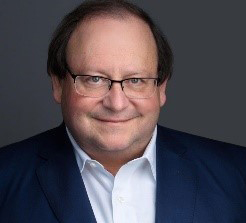
David Navazio, Gentell President & CEO
Skin substitutes are an inappropriate treatment option in long-term care because they can be harmful to residents & an inferior choice clinically & financially
In long-term care, skin substitutes are a poor choice clinically & financially. A preferred treatment is a wound dressing program, which is easy to implement & has greater healing success potential.”
YARDLEY, PA, UNITED STATES, December 28, 2025 /EINPresswire.com/ -- Skin substitutes have emerged as a popular solution for patients with chronic wounds, burns, and other severe skin injuries. According to the Centers for Medicare and Medicaid Service (CMS), Medicare Part B expenditures for skin substitutes have grown dramatically, from $252 million in 2019 to over $10 billion in 2024, a 40X increase in just six years. In order to more effectively control costs and manage fraud and abuse, Medicare is implementing on January 1, 2026 significant changes regarding its coverage of skin substitutes. But even with these controls, skin substitutes will still be a significant Medicare expenditure. — David Navazio - President & CEO, Gentell, Inc.
David Navazio, President and CEO of Gentell and Affiliated Companies, the largest vertically integrated wound care company in the world, recommends a cost-cutting solution that will help people, too. His recommendation is to reduce or prohibit using skin substitutes for wound care in long-term care. Navazio said, “Skin substitutes (also known as cellular and tissue-based products or CTPs) are an inappropriate treatment option in long-term care settings because they are potentially harmful to residents and an inferior choice clinically and financially.”
Navazio’s company, Gentell, which has the largest database of empirical wound care information in the world, reports that skin substitutes in
long-term care lead to increased wound healing time and to high failure rates. Unlike in surgical settings, there is no data to suggest that skin substitutes are effective in long-term care. In fact, the Office of Inspector General (OIG) stated in 2023 that CMS doesn't have enough research to distinguish the efficacy of different skin substitutes.
Navazio outlines nine reasons using skin substitutes for wound care in
long-term care facilities is inappropriate, if not outright dangerous for patients. They include:
1) Lack of Trained Staff
Skin substitutes are applied through the process of skin grafting, which require specialized medical expertise and resources, including sterile surgical facilities and specially trained physicians to apply them. Long-term care facilities lack the necessary infrastructure and staff.
2) Long-term care facilities are non-sterile environments
Skin grafts are very susceptible to infection, especially in the
immuno-compromised, geriatric population. Proper handling and storage of skin substitutes are crucial to prevent infection but this is rarely not done due to lack of specialized knowledge on the part of the long-term care team. In addition, many residents suffer from incontinence issues which also lead to contamination and contribute to skin substitute failure.
3) Skin substitutes need frequent monitoring and care
Applying skin substitute grafts and managing the subsequent care requires specialized knowledge and skills. Having the trained personnel and resources needed for diligent monitoring and care, is often lacking in long-term care settings, where adequate trained staff is either
non-existent or already overburdened.
4) Deficient natural skin resiliency in patients
Skin substitutes require interaction with the wound bed and subsequent cell regeneration in order to progress. Many long-term care residents also suffer from trauma, infection, shearing forces and other conditions that can negatively impact skin vigor. Skin substitutes cannot permanently replace or cover skin if the patient’s skin is not already healthy.
5) Sub-standard blood circulation inhibits proper healing
Typical geriatric patients suffer from inadequate blood pressure and circulation. Adequate circulation must be present and documented prior to use of grafts. Unless the patient has a minimum Ankle-Brachial Index (ABI) of greater than 0.60, toe pressure greater than 30 mmHg, the graft failure rate will be high.
6) The actual wound characteristics can affect results
Types of wounds that are more typically suffered by long-term residents can also impact the skin substitute’s success rate. For example, wounds with necrotic tissue or excessive wound exudate can hinder the integration and effectiveness of skin substitutes.
7) Multiple comorbidities can hinder graft outcomes
Many long-term care patients have multiple comorbidities that can complicate the healing process, such as diabetes, vascular disease, or malnutrition. In addition, many long-term care residents have limited mobility, which can also affect wound healing and increase failure rate. Residents with dementia and other cognitive impairments are often unable to adhere to provider instructions, specifically on weight bearing sites, leading to an increased fail rate.
8) Skin substitutes can increase discomfort for patients
Long-term care residents report increased discomfort from dressing changes. More frequent dressing changes may be required in the care of skin substitutes the require additional fiber sheets to manage fluid discharge.
9) Significant added cost when compared to other care options
Skin substitutes can be expensive, far outpacing other treatment options. This protocol might be a significant burden Medicare and for long-term care facilities operating under tight budgets.
Said Navazio, “In long-term care, skin substitutes are a poor choice clinically and financially. The preferred treatment solution is a wound care dressing program, available at a fraction of the cost, which is easy to implement and has a high likelihood of healing success.”
-----
ABOUT GENTELL:
Gentell is the largest vertically-integrated wound care manufacturer, with manufacturing plants in the U.S., Canada, the United Kingdom, Brazil, Paraguay, China and New Zealand, as well as facilities around the world. The company manufactures and supplies efficient, affordable patient-specific wound care products to nursing homes, home care, hospices and other health care settings. Gentell is also a pioneer in developing innovative and technologically advanced wound care database and logistics systems for its customers to make wound care more effective and efficient in improving people’s lives.
Gentell
1000 Floral Vale Blvd., Suite 400
Yardley, PA 19067 USA
Toll Free: 1-800-840-9041
Phone: 215-788-2700 Fax: 215-788-2715
Website: Gentell.com
LinkedIn: linked.com/in/davidnavazio linkedin.com/company/gentell
Twitter: x.com/david_navazio @gentell2701
Facebook: facebook.com/DNavazio
# # #
Leo Levinson
GroupLevinson Public Relations
2157882700 ext.
leo@grouplevinson.com
Visit us on social media:
LinkedIn
Facebook
X
Legal Disclaimer:
EIN Presswire provides this news content "as is" without warranty of any kind. We do not accept any responsibility or liability for the accuracy, content, images, videos, licenses, completeness, legality, or reliability of the information contained in this article. If you have any complaints or copyright issues related to this article, kindly contact the author above.
